Shocking singer fees: Billions of dong for just a few songs.
Feb 13, 2026
Hanoi [Vietnam], February 13: The year-end entertainment market is entering its peak season, but it's also a time that leaves many promoters stunned by the skyrocketing fees for singers.
I no longer like going abroad because the fees in my home country are higher.
There's an interesting paradox: in the past, performing overseas was always considered a "gold mine" for singers because the fees were significantly higher than in Vietnam. But in recent years, the balance has reversed. Many singers admit that their fees in Vietnam are now even higher, not to mention the packed performance schedules, convenient travel, and time savings.
In particular, following the success of popular game shows , especially those featuring attractive male and female celebrities, many faces have suddenly become incredibly popular. Their fees have been completely revamped, in some cases increasing many times compared to the period before the pandemic.
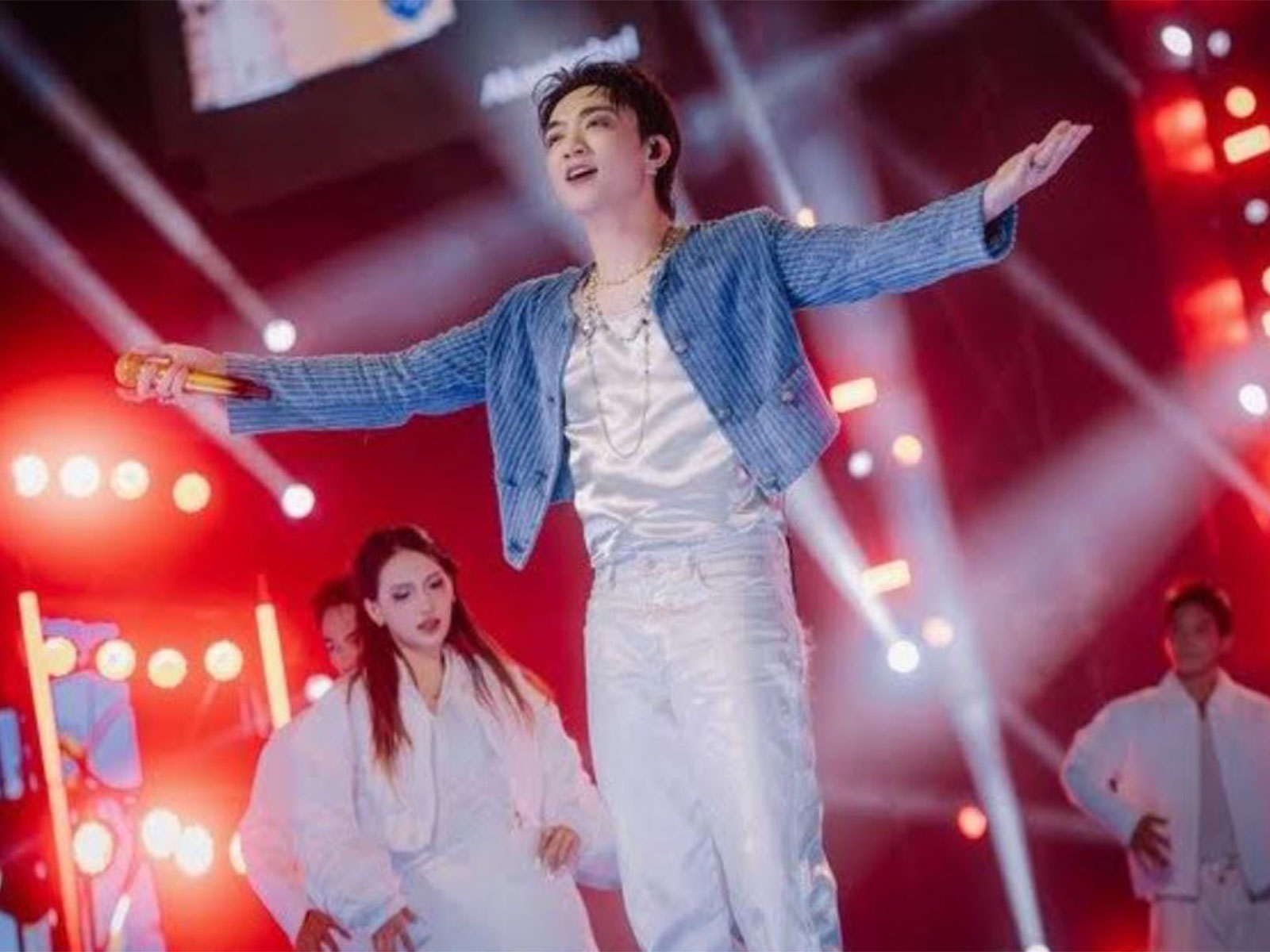
According to current standards for event shows in major cities, the price for 2-3 songs by many A-list singers ranges from 1 billion VND upwards. Soobin is estimated to be around 1 billion VND; My Tam and Ha Anh Tuan around 1.5 billion VND; Hieuthuhai and Den Vau around 1 billion VND for 3 songs. In the next group, Quoc Thien is around 500 million VND; Bui Cong Nam, Van Mai Huong, Uyen Linh, and Ha Nhi range from 300 to 400 million VND.
Other notable names also command significant fees: Ho Ngoc Ha and Toc Tien earn around 500-700 million VND; Hoa Minzy around 800 million VND; Min and Hoang Thuy Linh around 500-600 million VND in major cities. Bang Kieu's domestic performances cost around 400 million VND; Le Quyen's overseas performances command a fee of approximately 15,000 USD per show.
With young artists rising to prominence after game shows like Quang Hung MasterD, the rumored price is around 600-700 million VND; many other names also reach 600-700 million VND for event shows. Notably, their schedules are packed with performances from businesses, festivals, countdown events to major music concerts.
Meanwhile, performing in tea rooms usually only costs about half the price of performing at events. It's not hard to understand why most singers prioritize performing at events because the fees are much higher. The Lunar New Year season is even busier; just browsing their personal fan pages shows a fully booked schedule.
The higher the price, the more expensive the show.
The market is currently divided into two distinct extremes. At one end are big-name artists with large audiences and media endorsements. At the other end are talented singers with attractive appearances who are striving for opportunities but are stuck in the 30-60 million VND price range, or even struggle to get gigs.
Ironically, "performers"-artists capable of commanding the stage, choreography, and visual effects-are often priced much higher than pure "vocalists." This isn't because they sing better, but because they provide a more immersive experience, better suited to the demands of corporate events and large festivals. Meanwhile, talented singers who participate less in entertainment shows, have less personal branding, and lack a strong fan base are undervalued.
"Ten artists worth 30 million VND are not worth as much as one A-list singer," a common saying among many promoters, clearly reflects the reality. One name that can sell tickets, attract media attention, and guarantee an audience is far more effective than a large lineup lacking a standout performer.
Therefore, many artists choose to invest in building a fan base, holding solo concerts, and releasing products regularly to enhance their brand value. In reality, high performance fees aren't just about a few songs on stage, but about the guarantee they can secure: how many tickets they can sell, how much media interaction they can generate, and how much image value they can bring to the brand. Outsiders might find the billions of dong figure "outrageous," but for promoters, it's a simple economic calculation. If the audience is willing to buy tickets and sponsors are willing to spend money because of that artist's name, then that price is justified.
Show promoters are in a dilemma.
However, not everyone is having an easy time. Currently, selling tickets is extremely difficult. The costs of renting stages, sound systems, lighting, LEDs, dance troupes, stylists, costumes, etc., have all increased sharply. Many artists invest in extravagant performances, with dozens of crews and expensive costumes, no longer as simple as before. While in the past, 20 million VND could buy a good song, now 200 million VND doesn't guarantee a hit. Persuading songwriters to sell their songs is difficult, and negotiating the price is even harder.
Therefore, show organizers are in a dilemma: if they don't invite "hot" artists, it's hard to sell tickets; but if they do, they lose sleep over the exorbitant costs. For shows without sponsorship, simply breaking even is considered a success. A humorous story circulates in the industry: show organizers once frantically searched for singers whose fees were under 100 million VND but still met the criteria of being popular, and the result was... no one came. Those whose fees were under 100 million VND lacked the appeal, while those who were appealing commanded prices far exceeding that figure.
However, there are also flexible cases. The fee depends on the relationship and the nature of the program. If it's an international exchange show with long-term image benefits, or an artist singing to support a concert of a close colleague, the price can be "friendly," or even symbolic. With long-standing relationships dating back to before fame, there are cases where 50% of the fee is subsidized.
Fan meetings often include additional costs for makeup, transportation, and fuel. Wedding shows - once considered insignificant - are now being participated in by many singers because modern weddings are luxuriously invested in, sometimes even more extravagant than corporate events, and the price can be 20-50% higher.
It's difficult for young artists to break through.
In this landscape, young artists face the most challenges. The market is concentrated among a few big names, making the "pie" increasingly narrow. Despite having good voices, attractive appearances, and working diligently, they struggle to compete when organizers prioritize names with strong media presence. The divide is becoming increasingly clear: those already popular get more gigs, while those without fame struggle to find opportunities.
Ultimately, the 5-10 fold increase in performance fees not only reflects the artists' popularity but also shows a complete transformation of the entertainment industry. From show production and product investment to personal branding and audience behavior, everything has changed. For the audience, these multi-million dollar figures may be shocking. But for those in the industry, it's a game of brand value, fandom, and economic considerations. And during the peak season at the end of the year, when the stage lights shine brightly everywhere, the race for performance fees shows no signs of cooling down.
Source: Thanh Nien Newspaper